
The Human-Canine Bond: Why Working Together Enhances Your Relationship
I often observe a recurring dynamic in my practice: many owners struggle with “behavioral problems” that are, in reality, simply symptoms of a deeper lack of purpose. In our fast-paced modern lives, we often treat our dogs as family members to be entertained or “managed,” rather than partners to collaborate with. This disconnect can lead to frustration for both parties.
However, the secret to a deep, unbreakable bond isn’t found on the sofa or in expensive toys—it’s found in the field. Engaging in scent work, detection tasks, and collaborative problem-solving is more than just an activity; it is a profound psychological bridge between two species.
Beyond Obedience: The Humane-Canine Bond
Traditional dog training often focuses solely on obedience—the art of getting the dog to do what we want, when we want it. While basic manners are essential, they are only the foundation. In contrast, working together—whether in truffle hunting, conservation scent detection, or even advanced hobby-level search games—shifts the entire focus to collaboration.
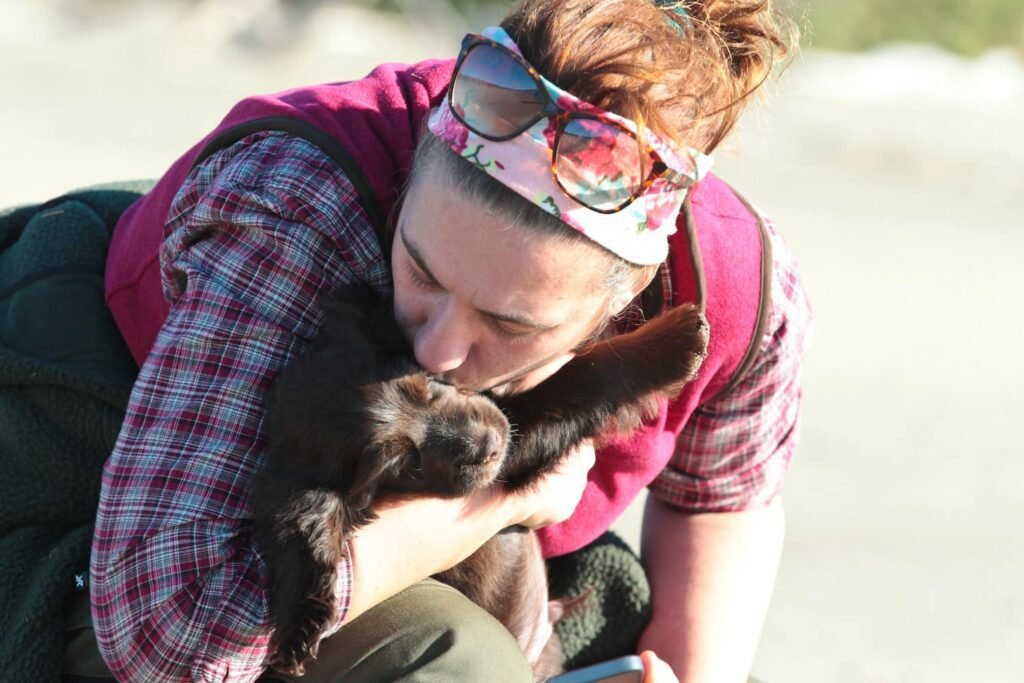
When you and your dog work as a team, you enter a state of mutual communication. You learn to read their subtle body language, their tension, and their focus; they, in turn, learn to trust your direction and rely on your guidance. This transition from “master/pet” to “partner/partner” significantly impacts your [human-canine bond], creating a synergy that is difficult to achieve through passive play.
Why Working Together Changes Your Relationship
Collaborative work addresses several core psychological needs for the dog, transforming their world:
Cognitive Fulfillment: Working tasks challenge the dog’s brain, preventing boredom-related anxieties. A dog that is mentally active is a dog that is calm at home.
Shared Goal-Orientation: Achieving a “find” together releases a massive surge of dopamine for both parties. This shared success builds a foundation of trust and reliability that carries over into your daily life at home.
Effective Communication: You develop a unique, non-verbal language of cues and signals. This clarity drastically reduces the frustration often found in domestic settings, where communication is frequently misunderstood or ignored.
Is Your Relationship Ready for the Next Level?
If you feel your relationship with your dog has become stagnant, introducing structured scent games is the best way to “re-sync” your connection. You don’t need a professional certification or high-level equipment to start—you just need the willingness to observe your dog’s unique way of interacting with the environment.
Tip for the week: Next time you go for a walk, stop “leading.” Let your dog take the lead and follow their interest. Observe what triggers their curiosity. That curiosity is the foundation of your future partnership. Give them five minutes to “read the news” of the environment, and then engage them in a simple “find the toy” game. You will notice an immediate change in their attitude toward you.
Conclusion: A Deeper Connection
Working with your dog is not a chore; it is a journey of mutual discovery. By honoring their natural skills—their nose, their persistence, and their intelligence—you are not just training a behavior; you are nurturing a partnership.
True authority in the human-canine relationship is not built on command; it is built on understanding. When your dog sees you as a facilitator of their natural drives, the bond deepens naturally and permanently.